Solar PV Installer Website Singapore: What Buyers Check
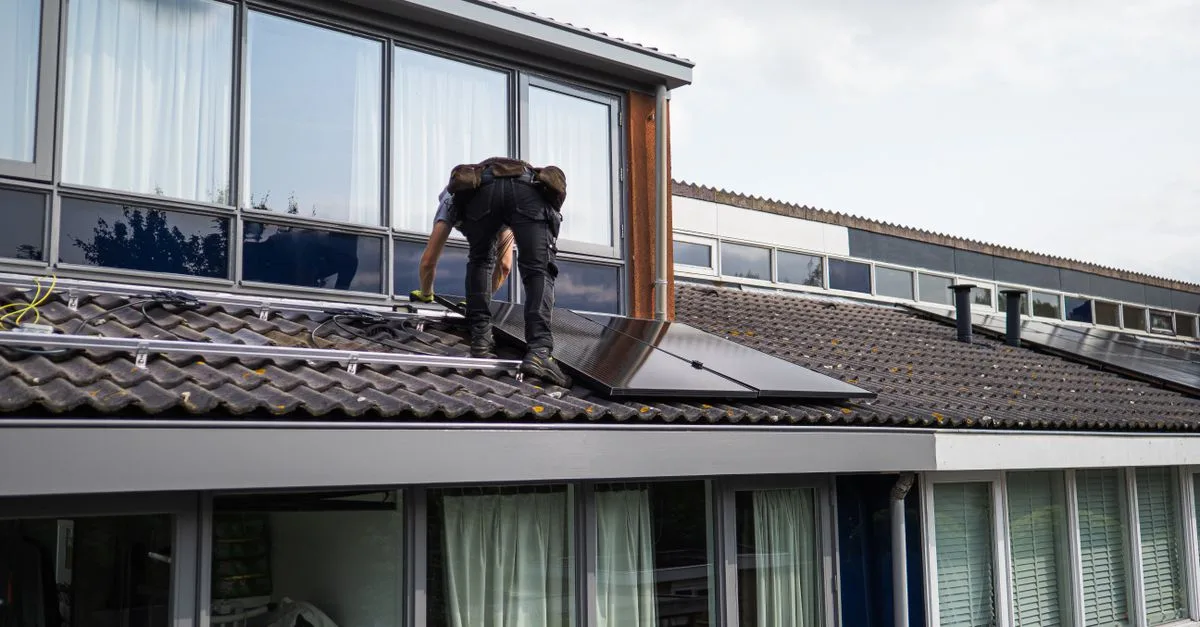
A homeowner in a landed house in Bedok or Bukit Timah who is thinking about solar panels does a lot of reading before calling anyone. They want to know who is allowed to do the work, what approvals are needed, what happens to the electricity they do not use, and whether your company has done this on a roof like theirs. If your website answers those questions clearly, you get the WhatsApp message. If it shows three stock photos and "Contact us for a free quote", they move to the next search result.
This guide is for solar PV installers and electrical contractors in Singapore who want their website to win residential and small commercial jobs. It covers what to explain, which credentials to show, the pages to build and how to set up a quote form that gives you enough detail to price a roof.
Most buyers do not know that a solar job in Singapore involves more than one role. The Energy Market Authority's solar implementation guide describes the main ones: a Qualified Person (a registered architect or professional engineer) who oversees the design and installation, and a Licensed Electrical Worker (LEW) who is responsible for turning the system on. EMA also notes that solar vendors typically include the engagement of a QP as part of their service.
That is useful material for your website. A short "How a solar installation works with us" section that lists these roles, and says which ones are your own staff and which you engage for the client, answers a question many buyers have but do not ask. It also separates you from sellers who only quote a panel price.
Be accurate, because buyers can check. EMA's FAQ on whether a licence is needed to install a solar PV system says no licence is required for residential installations under 1MWac, while non-residential electrical installations need an Electrical Installation Licence and the appointment of the right class of LEW. Larger systems above 1MWac need a Generation Licence.
On your site, that becomes two short lines rather than a legal essay: "For homes, we handle the LEW commissioning for you" and "For factories and commercial buildings, our LEW assists with the Electrical Installation Licence application." Only write what you actually do.
Put the details that prove you are a real, qualified company in three places: the footer of every page, the About page and near the quote form.
If you also do general electrical work, our earlier guide on showing LEW and licensed plumber details on a Singapore contractor website covers that side in more detail.
Buyers want to know what happens to the electricity they do not use. EMA's payment schemes page explains the options. Consumers who buy electricity from SP Group can register for the Simplified Credit Treatment scheme, which pays the regulated tariff minus grid charges, credited to the monthly bill. Consumers who buy from a retailer can use the Enhanced Central Intermediary Scheme, which pays based on half-hourly wholesale prices.
A short FAQ answer that explains this in two sentences and links to EMA builds more trust than a big "Save 80% on your bill" banner. Avoid savings figures unless they come from a real system you installed, with the owner's permission and the period measured. A sentence like "This 8kWp system in a terrace house produced X kWh in its first 12 months" is strong proof. A made-up percentage is a risk.
Landed homes, condominiums with shared roofs, factories and warehouses, and commercial buildings each have different buyers and different approval paths. A page for each lets you speak to that buyer directly and gives Google a clear page for searches such as "solar panel installation landed house Singapore" or "solar PV for factory Singapore". Our guide to town pages that avoid Google's doorway rules explains why each page needs real, different content rather than the same text with a new heading.
Each completed job can become a short project page: property type, district, system size in kWp, number of panels, inverter type, roof type, time on site, and two or three photos of the finished array and the inverter installation. Ask the owner before you publish anything that identifies their home. Leave out the unit number.
Cleaning, inspection and inverter checks are repeat work. A separate page for maintenance, with what a visit includes, brings in owners whose original installer has closed or stopped answering.
A solar quote needs more detail than a painting job. Ask for:
On a Passive Coder site, the form can pre-fill the service the visitor picked. A visitor who taps "Get a quote" on the factory page arrives with "Commercial and industrial solar" already selected. The request reaches you with everything above, and one tap opens WhatsApp to reply, so your first message can be a site visit time rather than ten questions.
A Passive Coder website for a Singapore installer starts from S$499 one-time, with hosting and the domain included for the first year, and it can go live in one day once we have your logo, photos and service list. See our M&E contractor website page for Singapore or the full pricing. If you want us to keep the site updated with new projects, a Care plan covers that.
You can start a free trial and see your own site before you pay anything.
It is not a website rule, but buyers ask who will commission the system. Naming your LEW, with their licence class, answers that before the first call.
Only if they come from a system you installed and measured, with the owner's permission. Otherwise explain the payment schemes and let the buyer calculate.
Yes. The approvals, system sizes and decision makers differ, so a separate page lets each one speak to its own buyer and gives Google a clear page for each search.
The finished array from a high angle, a close shot of the mounting on the roof, and the inverter and wiring installation. Keep house numbers and faces out of the frame.